ⓘ We are always looking for new vet and nursing talent

ⓘ We are always looking for new vet and nursing talent

Click here for available roles Click here

Anaesthesia for animals

Anaesthesia for animals

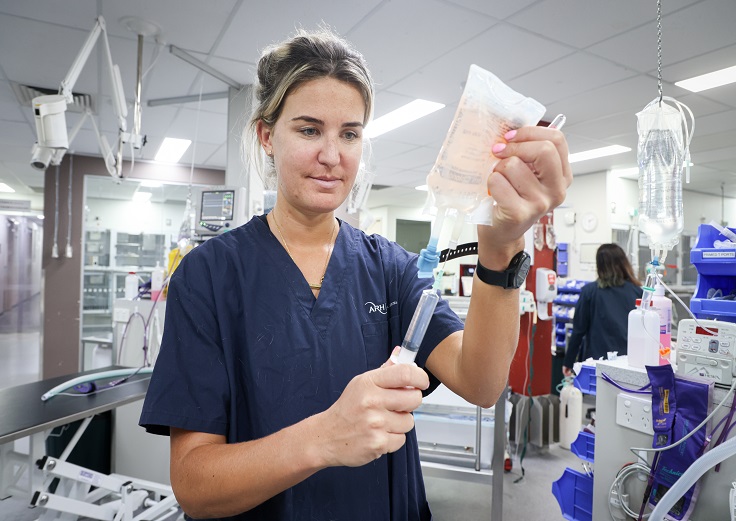
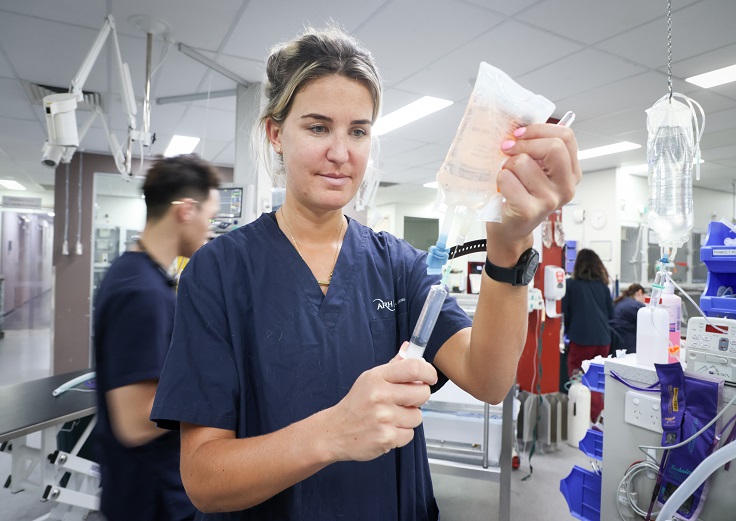
Animal anaesthesia can be necessary during the course of veterinary care as it’s a way to ensure that pets undergoing surgery or some diagnostic procedures are comfortable and pain-free. To safely deliver anaesthesia for animals, specialist vets need the knowledge and skills to manage the unique needs of different species. Our veterinary anaesthesia specialists can provide your pet with the safest and most effective anaesthetic care for their needs.

We take pride in our specialty services


Vet anaesthesia specialists are trained to administer anaesthesia in all types of animals, helping to ensure every procedure is carried out with minimal risk and maximum comfort for the patient. Our specialists have in-depth knowledge of the pharmacology, physiology and monitoring techniques required to anaesthetise pets safely. The anaesthesia team will also work closely with other veterinary specialists to provide comprehensive care during surgeries, diagnostic imaging, and other procedures that require sedation or general anaesthesia.

Pets might need to see an advanced anaesthesia specialist for various reasons. High-risk surgeries and complex medical conditions are common events where anaesthetic care is necessary.

There are several situations where anaesthesia for dogs and cats might be required, including: 

  • Complex medical conditions: Pets with underlying health issues, such as heart disease, respiratory problems or metabolic disorders, may require anaesthesia management to reduce the risk of complications (as no anaesthetic is without risk).
  • High-risk surgeries: Certain surgical procedures (e.g., those involving the brain, spine, or major organs) require advanced anaesthetic techniques and close monitoring throughout the operation.
  • Diagnostic imaging: Procedures like MRIs, CT scans and certain types of X-rays often require sedation or general anaesthesia to keep your pet still.
  • Minor procedures: Anaesthesia might be required for less-invasive procedures like teeth cleaning or stitches to keep your pet calm and pain free

When your pet needs anaesthesia, it’s completely natural to have concerns and questions. To help put you at ease, here’s what you can expect during an anaesthesia appointment with the AREN Network:

  • Pre-anaesthetic consultation: Your anaesthesia specialist will discuss the procedure with you and cover all the risks and benefits of anaesthesia. They will answer any questions you may have or clarify concerns about your pet’s health. 
  • The day of the procedure: Your pet will be admitted to the clinic, and the anaesthesia team will perform final checks to ensure everything is in order. You’ll be told how long the procedure will likely take and what to expect during recovery.
  • During anaesthesia: While your pet is under anaesthesia, they will be monitored by the anaesthesia specialist and support staff to ensure their safety and well-being. 
  • Recovery: After the procedure, your pet will be moved to a recovery area, where they will be observed until they are fully awake. Your anaesthesia specialist will give you post-operative care instructions and explain what to look out for at home. 

If your pet is scheduled for a procedure requiring anaesthesia, rest assured that our anaesthesia specialists are committed to their safety and comfort throughout the process hydrotherapy, don’t hesitate to contact us for more information or book an appointment.

Find your closest surgery clinic

    Filter by:
    Emergency
    Service
    Showing Results for

    Pet Emergency? We're here when you need it most.

    Open after hours, including public holidays